.png)
Maio Island Hosts Key Training to Strengthen Marine Protected Area Management

Between the 6th and 8th July 2026, the island of Maio hosted another session of the training programme for Marine Protected Area (MPA) managers, focusing on the modules Ecology and Biodiversity and Communication, Awareness-raising and Public Engagement. The initiative brought together professionals from government institutions, civil society organisations and partners in the environmental sector, with the aim of strengthening the skills required for more effective, participatory and sustainable management of MPAs in Cabo Verde.
The training forms part of the joint efforts of four projects – Gestão de Ameaças, PaMAR, Blue Connect, and PHAROS – which have been investing in the capacity-building of the country’s protected area managers. The aim is to strengthen technical, strategic and operational capacities, promoting management based on scientific evidence and aligned with the evolving challenges of marine conservation.
The first two days were devoted to Module 4 – Ecology and Biodiversity of MPAs, providing participants with an in-depth understanding of how marine ecosystems function and the mechanisms required for their protection and recovery. During the sessions, the ecological functions of MPAs were discussed, highlighting their vital role in biodiversity conservation, ecosystem recovery and the promotion of the sustainable use of natural resources. Measures for the protection and recovery of species of conservation importance were also discussed, as were strategies to combat the threats posed by invasive alien species. Participants further explored approaches to developing projects for the recovery of degraded ecosystems and habitats.
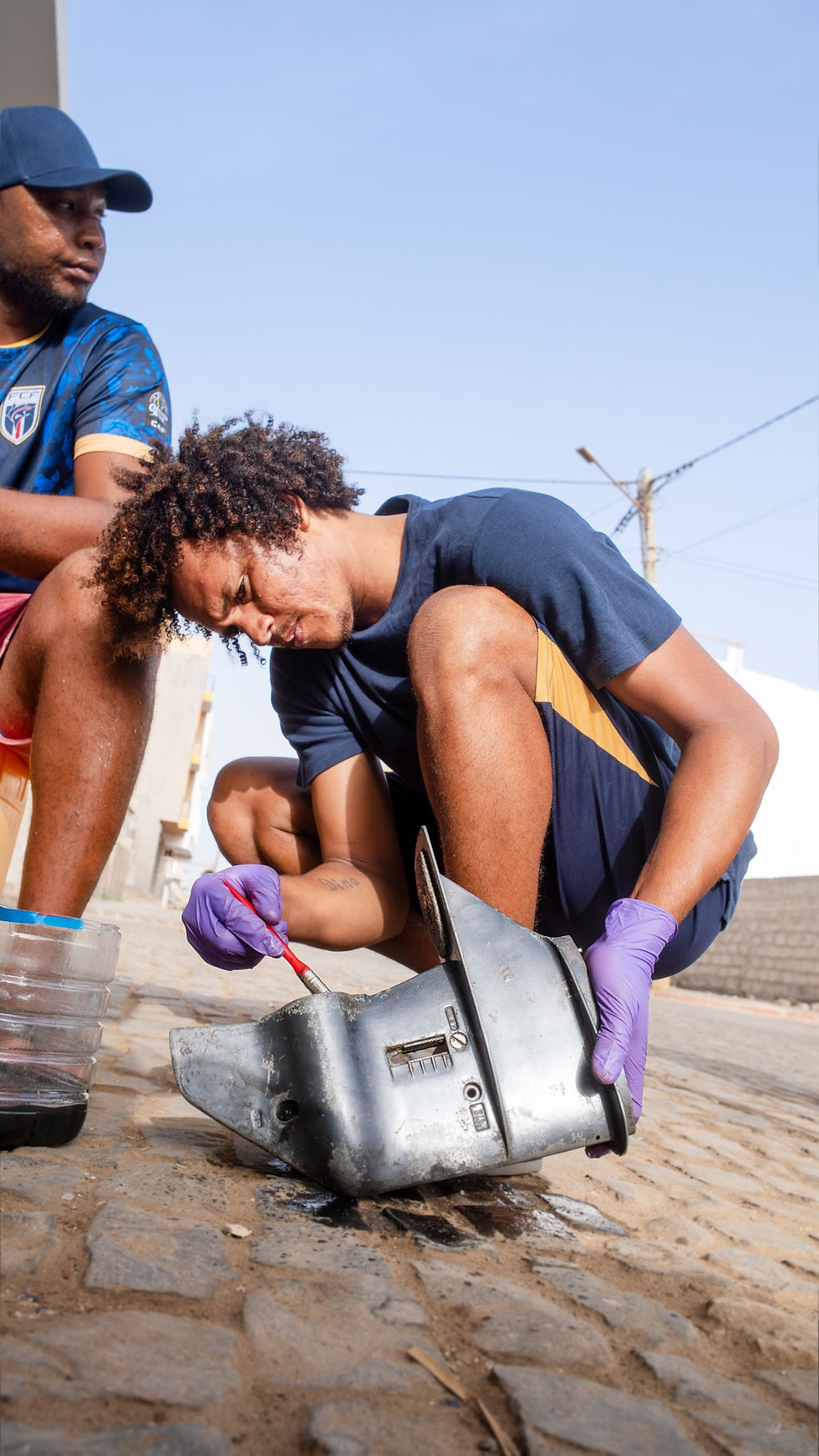
The training also covered topics related to establishing programmes for the sustainable use of natural resources, seeking to reconcile conservation objectives with the socio-economic development of local communities. Another key theme was the monitoring and evaluation of MPAs, combining theoretical and practical elements that enabled participants to gain hands-on experience with tools for monitoring the state of ecosystems and assessing the effectiveness of the management measures implemented.
The third day was devoted to Module 5 – Communication, Awareness-raising and Public Engagement, emphasising the importance of strategic communication for the success of marine conservation. The sessions covered communication strategies, the design and implementation of interpretive and educational programmes, as well as the development of strategies and plans for tourism, recreation and public use. Participants also discussed techniques for negotiating agreements, managing disputes and resolving conflicts – essential skills for managers working in contexts where environmental, economic and social interests must be carefully balanced.
Beyond its role as a capacity-building initiative, the training provided a unique opportunity to exchange experiences and strengthen cooperation between professionals from different islands and institutions. By investing in the development of more qualified managers, the partners are contributing to more effective management of MPAs and to the conservation of Cabo Verde’s rich marine heritage, promoting lasting benefits for ecosystems, coastal communities and the national blue economy.


Comments